
Ancient Gem Trade Routes of Sri Lanka
How Sri Lankan gems traveled along ancient trade networks to reach royal courts across Asia and Europe.
Read MoreSri Lanka, historically known as Ceylon, is one of the world's most renowned sources of natural gemstones, celebrated for over 2,500 years. At Ceylon Ratna, we offer authentic Sri Lankan gemstones for collectors, investors, and jewelry enthusiasts, including the world-famous Ceylon Blue Sapphire, rare Padparadscha Sapphire, and natural Ceylon Ruby.
The gem-rich region of Ratnapura—meaning "City of Gems"—produces some of the finest sapphires, rubies, cat's eyes, spinels, and other precious stones. Our platform provides trusted information on gemstone origins, mining methods, quality factors, certification standards, ethical sourcing practices, and offers certified gemstones for sale to collectors and jewelry buyers worldwide.
Your comprehensive educational resource on Sri Lankan gemstones, mining, and jewelry heritage.
Ceylon Ratna provides detailed information about Sri Lanka's remarkable gemstone heritage. This guide offers insights into the island's geological wonders, traditional mining practices, gem varieties, and jewelry craftsmanship that has evolved over 2,500 years.
This platform serves as an informational guide for gem enthusiasts, collectors, buyers, and anyone interested in learning about Sri Lanka's gem industry. We compile factual information, historical context, and practical knowledge to help you understand and appreciate these natural treasures.
Sri Lankan gems traveled ancient trade routes, reaching royal courts across Asia and Europe. Historical records mention Sri Lankan gems in Roman, Persian, and Chinese royal collections.
European explorers documented Sri Lanka's gem wealth. The British established systematic mining practices, leading to discoveries like the famous 400-carat "Blue Belle of Asia" sapphire.
Independent Sri Lanka developed its gem industry with improved mining techniques and quality standards. The country became renowned as the primary source of fine blue sapphires in the global market.
Sri Lanka continues to be a major gem producer, combining traditional knowledge with modern techniques while focusing on ethical practices and environmental sustainability.

This guide compiles publicly available information from geological surveys, historical records, and industry publications. It is intended for educational purposes only.
Understanding the unique geological conditions that make Sri Lanka one of the world's most diverse gem-bearing regions.
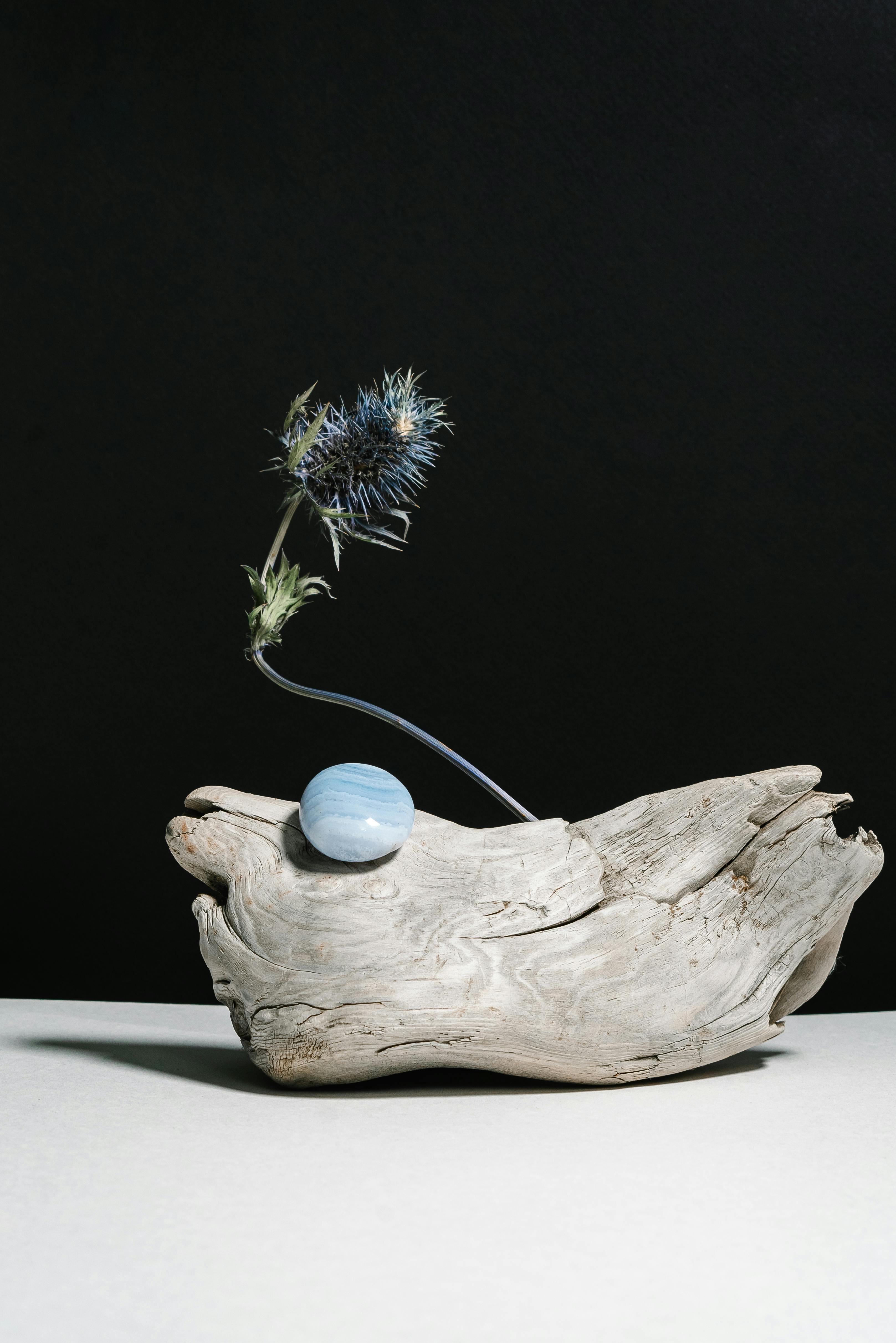
Sri Lanka's geological uniqueness comes from the Highland Complex, composed of Precambrian high-grade metamorphic rocks over 2 billion years old. These ancient formations create ideal conditions for gem formation.
Sapphires and rubies (corundum) form under extreme heat and pressure in recrystallized marbles and pegmatites. Trace elements create colors: Titanium and Iron produce blue sapphires, Chromium creates rubies.
Millions of years of weathering released gems from primary deposits, transporting them through river systems into secondary alluvial deposits. These gem-bearing gravel layers, known locally as Illam, are where traditional Sri Lankan mining occurs.
The "City of Gems" sits atop rich alluvial deposits. Produces finest blue sapphires, padparadscha, and star sapphires. Over 75% of Sri Lanka's gem mining occurs here.
Known for vibrant spinels and garnets. The geological conditions here produce exceptional red and pink spinels that were historically mistaken for rubies.
Produces high-quality chrysoberyl (cat's eye and alexandrite) and rare zircon varieties. Known for its unique metamorphic conditions.
Explore the centuries-old mining techniques that continue to produce some of the world's finest gemstones.
Miners study soil composition and river patterns using traditional knowledge combined with geological understanding to identify potential gem-bearing layers.
Using techniques refined over centuries, miners manually excavate pits up to 30 meters deep. Bamboo scaffolding prevents collapse, and each pit is carefully backfilled after completion.
Gravel is washed in traditional baskets. Skilled sorters identify rough gems by subtle differences in weight, luster, and crystal structure—skills passed through generations.
The epicenter of Sri Lankan gem mining with 400+ active mines producing sapphires, rubies, and cat's eyes.
World's primary source of quality moonstone, known for its unique adularescent blue sheen.
Specializes in chrysoberyl (cat's eye and alexandrite) and rare beryl varieties.
The transformation journey of Sri Lankan gemstones through traditional craftsmanship.
Experienced evaluators examine rough stones under natural light to determine crystal orientation and potential inclusions. This critical decision affects the final value significantly.
Sri Lankan cutters are globally renowned for their skill. They employ traditional cutting techniques that maximize carat retention while optimizing brilliance. Common traditional cuts include:
Traditional Heating: Using charcoal furnaces to improve color and clarity, a practice documented as early as the 6th century AD.
Unheated Stones: Naturally perfect stones are rare and command significant premiums in the market.

Comprehensive information about all gemstone varieties found in Sri Lanka. Each entry includes complete gemological details and characteristics.
Browse our complete gemstone database with detailed information for collectors, investors, and jewelry buyers.
Essential guide to gemstone certification for buyers and investors
Global Standard: Most recognized certification worldwide
Cost: $150 - $500 per report
What it covers: Origin, treatments, measurements, inclusions
Best for: Investment grade stones $5,000+
Verification: Online certificate verification available
Asian Standard: Widely accepted in Asian markets
Cost: $80 - $300 per report
Strength: Heat treatment detection expertise
Origin Reports: Detailed geographic origin determination
Local Expertise: Sri Lanka's premier gemological lab
Cost: $50 - $200 per report
Strength: Origin determination for Sri Lankan gems
Specialization: Local mining knowledge advantage
Comprehensive market analysis for collectors, investors, and jewelry buyers with current data and trends
Understanding what determines gemstone value in Sri Lankan market:
Sri Lanka supplies approximately:
| Gemstone Type | Quality Tier | Price Range/Carat | Annual Appreciation | Market Demand | Investment Size | Liquidity | Risk Level |
|---|---|---|---|---|---|---|---|
| Blue Sapphire | Premium (Vivid Blue, VVS) | $1,500 - $8,000 | 6-8% | Very High | 3ct+ | High | Low |
| Padparadscha | Ultra Premium (Natural) | $8,000 - $25,000 | 10-15% | Extreme | 1ct+ | Medium | Medium |
| Ceylon Ruby | Fine (Pigeon Blood) | $3,000 - $15,000 | 7-10% | High | 2ct+ | High | Low-Medium |
| Star Sapphire | Collector (Sharp Star) | $500 - $5,000 | 5-7% | Medium | 5ct+ | Medium | Medium |
| Alexandrite | Natural Color Change | $5,000 - $20,000 | 8-12% | Very High | 2ct+ | Medium | Medium |
| Cat's Eye | Fine (Milk & Honey) | $800 - $8,000 | 6-9% | Medium-High | 3ct+ | Medium | Low |
| Red Spinel | Investment Grade | $2,000 - $12,000 | 9-14% | Growing | 2ct+ | Medium | Medium |
| Moonstone | Premium Quality | $100 - $1,000 | 3-5% | Stable | 10ct+ | Low | High |
| Taaffeite | Ultra Rare | $5,000 - $50,000 | 15-25% | Niche | Any | Very Low | Very High |
Focus: 3-5ct Blue Sapphires (GIA certified)
Budget: $10,000 - $50,000
Horizon: 5-7 years
Expected Return: 6-8% annually
Focus: Padparadscha & Unheated Rubies
Budget: $25,000 - $100,000
Horizon: 3-5 years
Expected Return: 10-15% annually
Focus: Rare gems (Taaffeite, Serendibite)
Budget: $100,000+
Horizon: 10+ years
Expected Return: 15-25% annually
Traditional Sri Lankan metalworking meets contemporary design in exquisite jewelry pieces.

Jewelry making in Sri Lanka dates to ancient kingdoms. Historical records and archaeological findings show sophisticated goldsmithing techniques used in royal courts and temples.
Sarapatha (Liana Vine): Represents continuity and prosperity, common in bridal jewelry.
Nelum (Lotus): Symbolizes purity and spiritual enlightenment, used in ceremonial pieces.
Traditional Sri Lankan standard - 91.6% pure gold mixed with copper for warmth and durability.
Modern luxury standard - 75% pure gold, used for contemporary designs with diamond accents.


Step-by-step guidance for different buyer types: jewelry buyers, collectors, and investors
Daily Wear: Sapphire, Spinel (8+ hardness)
Occasional Wear: Ruby, Emerald (softer)
Heirloom: Investment grade, GIA certified
Under $1,000: Commercial grade sapphires (1-2ct)
$1,000 - $5,000: Better quality stones with cert
$5,000 - $20,000: Investment grade with GIA
$20,000+: Collector/rare gem territory
Color: View in daylight and indoor light
Clarity: Use 10x loupe to check inclusions
Cut: Check symmetry and proportions
Certification: Verify with issuing lab
1. Minimum 3ct for blue sapphires
2. GIA or equivalent certification mandatory
3. Preference for unheated stones
4. Proven Sri Lankan origin
5. Good liquidity (blue sapphires preferred)
Auction Houses: Christie's, Sotheby's (for premium pieces)
Specialized Dealers: 10-15% commission
Private Sale: Highest return but takes time
Pawn/Consignment: Quick but lower value
Best Time: October-February (post-monsoon)
Good Time: March-June (festival season)
Avoid: July-September (low supply, high prices)
Educational articles about Sri Lankan gemstones and the gem industry.
How Sri Lankan gems traveled along ancient trade networks to reach royal courts across Asia and Europe.
Read More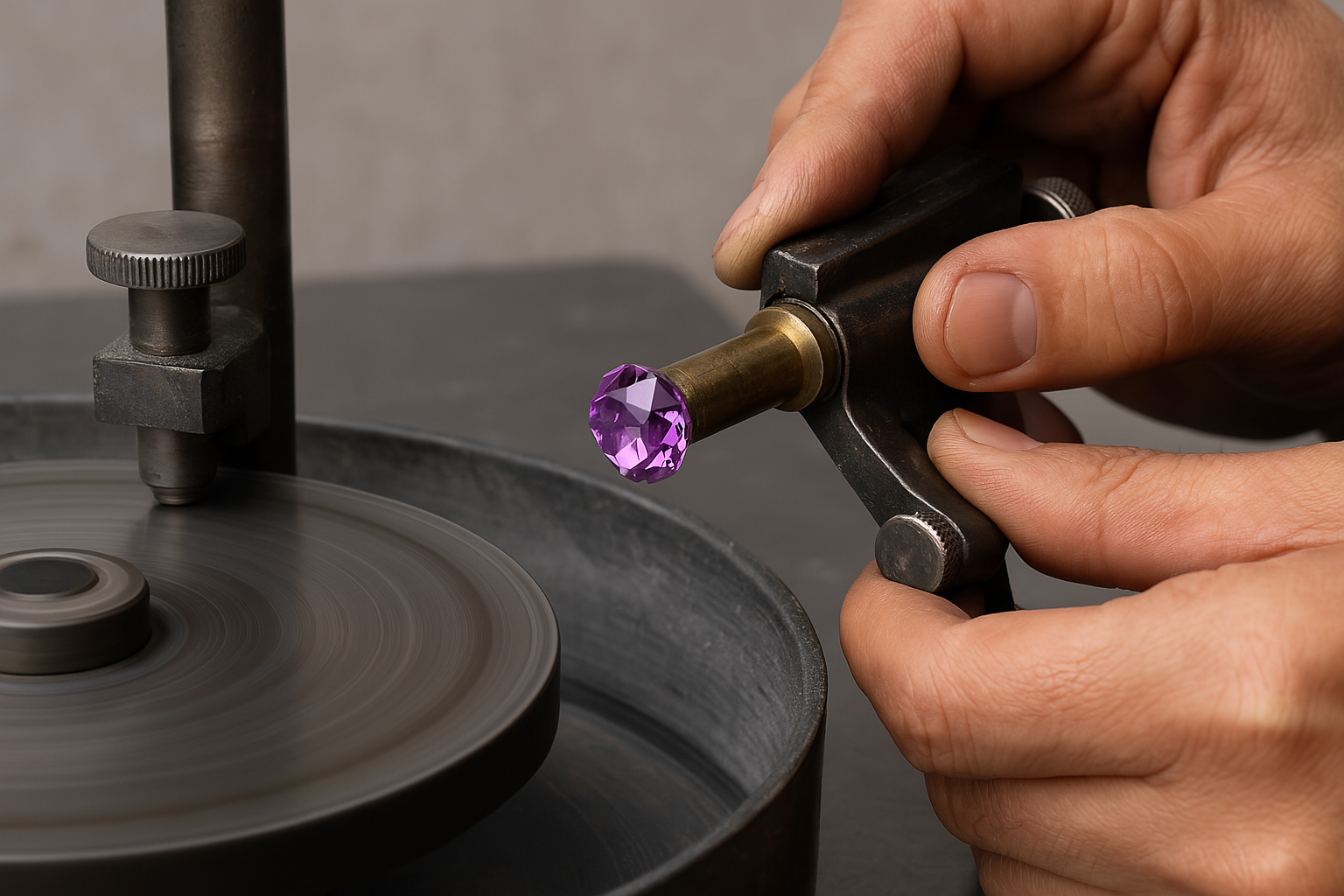
Exploring the traditional lapidary arts of Sri Lanka and how they preserve gem weight while maximizing beauty.
Read More
Practical advice on maintaining and preserving the beauty of your gemstone jewelry over time.
Read MoreGet in touch for more information about Sri Lankan gemstones.
General Inquiries: info@ceylonratna.com
Monday - Friday: 9:00 AM - 6:00 PM (Sri Lanka Time)
Saturday: 10:00 AM - 4:00 PM
Sunday: Closed
This website is an educational resource providing information about Sri Lankan gemstones. For gemstone purchases or professional appraisals, consult certified gemologists and reputable dealers.